CFP Certification Graduation Ceremony 2025
November 12, 2025
By the Editorial Team
The latest flare-up in US–Iran tensions is more than a headline-grabbing diplomatic standoff. According to a new research report by IPPFA, it represents a textbook case of how regional geopolitical conflict can rapidly become a global macroeconomic event—and why the world’s dependence on a single maritime chokepoint makes this particular escalation especially consequential.
The Strait of Hormuz: A Bottleneck the World Cannot Afford to Lose
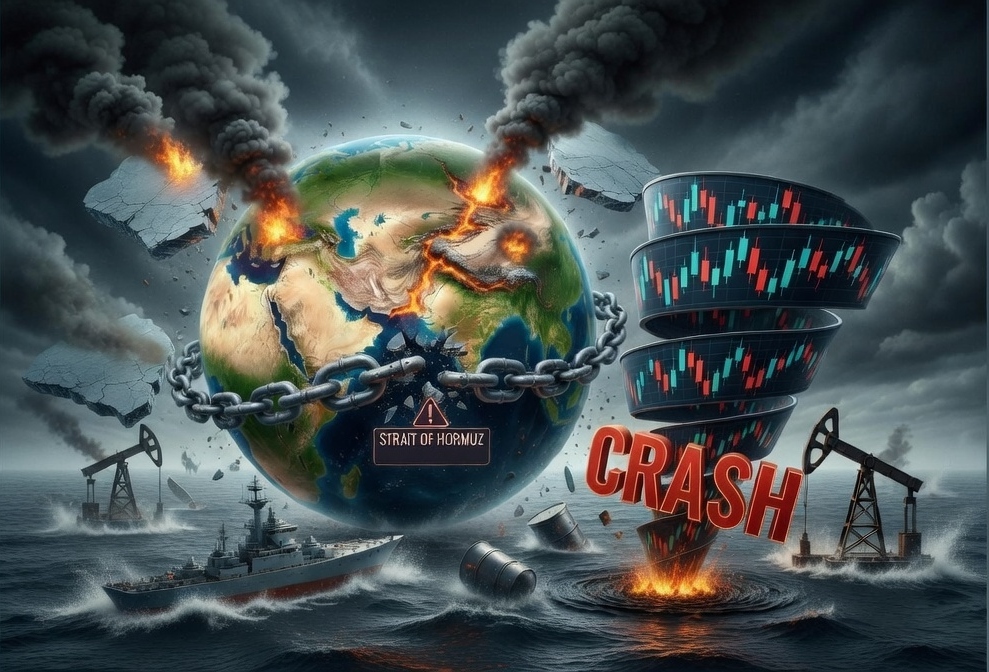
At the heart of the risk sits the Strait of Hormuz. Roughly 20 million barrels of crude oil pass through this narrow waterway every single day—around US$ 1.6 to 1.7 billion in daily trade flows. Add to that approximately 20% of the world’s liquefied natural gas (LNG) shipments, and it becomes clear why even the perception of disruption is enough to move markets. Countries like Japan, South Korea, India and China—which source the vast majority of their Middle Eastern oil through this corridor—are especially exposed.
IPPFA’s analysis identifies three primary transmission channels when energy infrastructure like this comes under threat:
- Energy prices rise as markets price in supply risk, generating cost-push inflation across virtually every sector.
- Financial markets shift to risk-off mode—equities fall, the US dollar and gold strengthen, and borrowing costs tighten globally.
- Trade and supply chains face higher shipping insurance, rerouting costs and logistical delays that squeeze industrial output.
A Polycrisis, Not Just a Crisis
What makes this moment particularly delicate is the backdrop. IPPFA describes the current environment as a polycrisis, where energy shocks, geoeconomic fragmentation, financial fragility and political instability no longer occur in isolation but interact and amplify one another. Historically elevated global debt levels and tighter monetary conditions mean that shocks today transmit faster and deeper than in previous decades.
What It Means for Malaysia
For Malaysia, the report concludes that direct trade exposure to the Middle East is limited—exports to the region account for only around 1.7% of total exports. The real risk runs through energy prices rather than bilateral trade. Higher global oil prices feed into logistics costs and domestic inflation, while Malaysia’s RON95 fuel price cap (fixed at RM1.99) means rising oil prices translate directly into higher government subsidy expenditure.
Under the baseline scenario—Brent crude averaging around US$ 90 per barrel and the ringgit staying below RM 4.00—IPPFA projects Malaysia’s GDP growth at 4.6% for 2026. However, if geopolitical tensions persist beyond three months, cost pass-through effects across supply chains and rising fiscal subsidy pressures could reduce growth by around 0.3 to 0.4 percentage points, complicating the policy trade-off between inflation management and growth support.
The Bottom Line
The key variable, IPPFA argues, is not whether oil prices spike—it’s how long they stay elevated. Short-term price surges tend to generate noise, not lasting damage. But if elevated prices persist for several months, the consequences for growth, fiscal balances and monetary policy can become very real.
This article is an explainer of the report “From Geopolitical Shock to Macroeconomic Stress – 2: Energy Shock and Financial Repricing” (9 March 2026), produced by IPPFA Malaysia. Read the full report here. This explainer is for informational purposes only and does not constitute investment advice.